
Occupational Therapy (OT)
Occupational Therapy for Arthritis: Protect Your Joints and Keep Doing What You Love
Arthritis doesn't have to steal your favorite activities. Discover how occupational therapy at Riverbend PT in River Ridge, Metairie, Covington, and New Orleans helps you protect your joints, ease pain, and stay independent.

10min read
April 28, 2026
If opening a jar, buttoning a shirt, or holding your morning coffee has started to feel like a chore, you're not alone. More than 1 in 5 adults in Louisiana lives with some form of arthritis, and the humid Gulf weather we love so much in River Ridge, Metairie, Covington, and New Orleans can make stiff, achy joints feel even worse on damp mornings.
The good news? Arthritis pain doesn't have to dictate your day. Occupational therapy (OT) is one of the most effective — and most underused — tools for keeping your hands, wrists, and shoulders working well, even when arthritis flares.
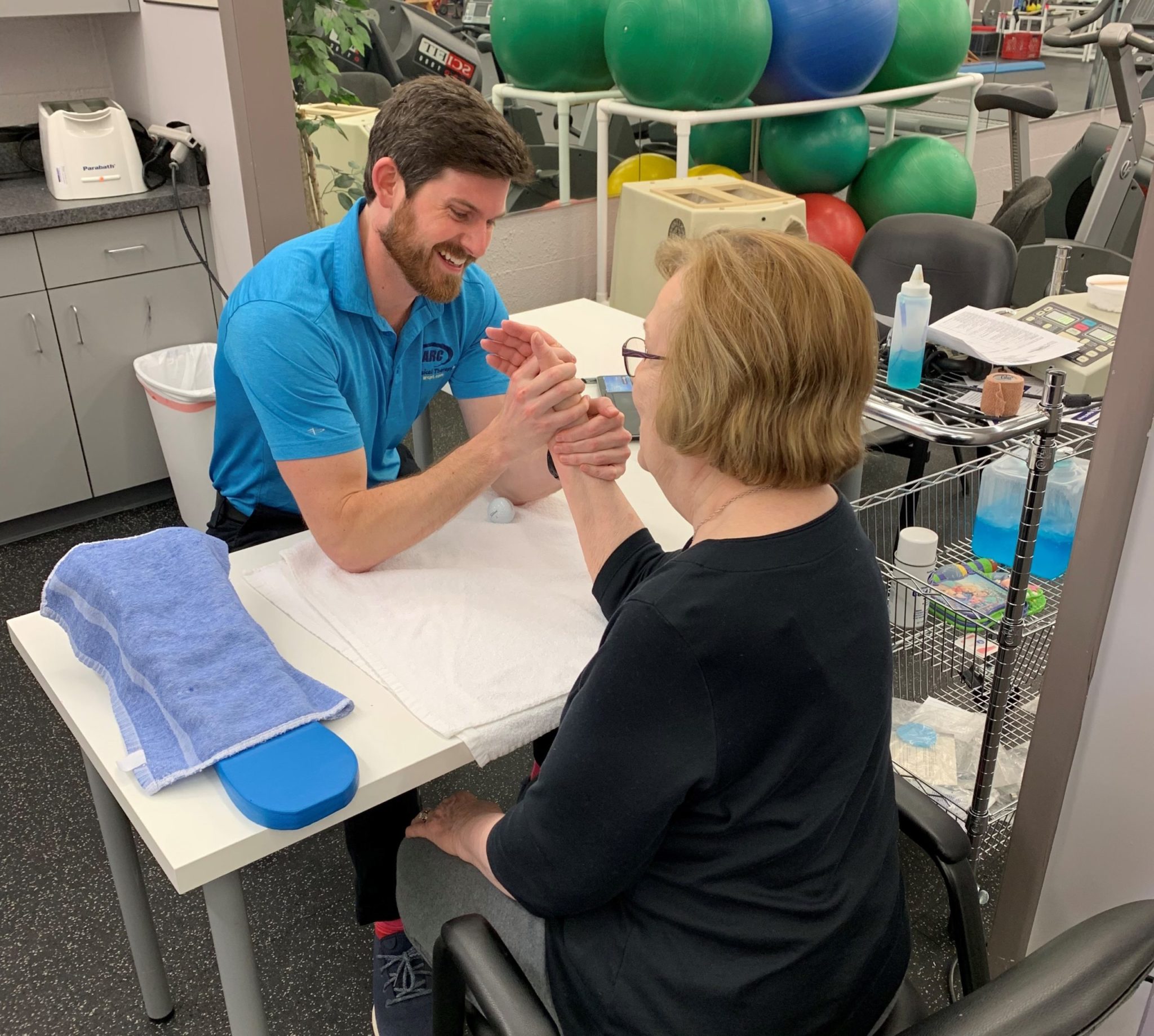
At Riverbend Physical Therapy, our occupational therapists work side-by-side with patients to take pressure off sore joints, rebuild strength, and adapt the everyday tasks that matter most. Here's what that looks like.
Why Arthritis Is an OT Specialty
Physical therapy and occupational therapy work beautifully together, but they answer slightly different questions.
PT asks: How do we get this joint moving and strong again?OT asks: How do we get you back to doing the things this joint is supposed to help you do?
That second question is everything when you live with osteoarthritis, rheumatoid arthritis, or post-traumatic arthritis. You don't just want a stronger thumb — you want to text your grandkids, garden in the spring, or hold a paintbrush without your hand giving out by lunch.
Our OTs are trained to look at the whole picture: the joint, the task, the tools you use, and the way you move through your day.
How Occupational Therapy Eases Arthritis Pain
Here's what an OT plan for arthritis typically includes at Riverbend:
Joint protection education. Small changes to how you do a task can dramatically reduce stress on inflamed joints. Using larger joints to do the work of smaller ones (carrying a bag on your forearm instead of your fingers, for example) is a foundational OT principle that pays off for years.
Custom splinting. We design and fabricate splints right in our clinics — including resting splints to calm flare-ups, functional splints that support you during tasks, and silver ring splints for thumb arthritis that look more like jewelry than medical equipment.
Hands-on manual therapy. Joint mobilizations, soft-tissue work, and gentle stretching help reduce stiffness and improve range of motion, especially in the small joints of the hand and wrist.
Therapeutic exercise. Targeted, low-load exercises strengthen the muscles around arthritic joints so they take on more of the workload. We balance strength work with gentle motion to keep joints lubricated without flaring them up.
Adaptive equipment. Built-up pen grips, jar openers, button hooks, ergonomic kitchen tools, and key turners can make a remarkable difference. We help you figure out which ones are worth it and which are gimmicks.
Heat, cold, and paraffin wax. Simple modalities — used at the right time — calm flares and prep stiff hands for activity.

Everyday Wins You Can Expect
A few examples of what our arthritis patients tell us they get back:
- Cooking Sunday gumbo without dropping the spoon
- Gardening in the spring without paying for it for three days
- Working at a keyboard without numbness creeping in by 3 p.m.
- Buttoning a dress shirt for church without help
- Sleeping through the night without waking up to throbbing hands
These aren't small things. They're your life.
Simple Joint-Protection Habits to Start Today
Even before your first appointment, these OT-approved habits can take pressure off arthritic joints:
- Use both hands when you can. Carrying a heavy pot? Two hands. Lifting a gallon of milk? Slide it onto your forearm.
- Avoid a tight, prolonged grip. Switch to pens with thicker barrels, use jar openers, and choose tools with cushioned handles.
- Respect pain — don't push through it. Sharp or lingering pain after a task is a signal to modify, not power through.
- Move often, but gently. Stiff joints hate being still. Short, frequent movement breaks beat one long session.
- Warm up before fine-motor tasks. A few minutes of warm water on your hands before typing, knitting, or chopping vegetables makes a real difference.
When to See an Occupational Therapist
You don't need to wait until arthritis is severe to benefit from OT. Reach out if you notice:
- Morning stiffness that takes more than 30 minutes to ease
- Pain or swelling in the same joints on both sides of the body
- Trouble gripping, pinching, or twisting (opening jars, turning keys, holding utensils)
- Hand or wrist pain that's started affecting your work or sleep
- A new arthritis diagnosis and uncertainty about how to protect your joints long-term
Early intervention is one of the best things you can do for arthritic joints. The habits and adaptations we teach now can help preserve function for decades.
Get Personalized Arthritis Care at Riverbend
Our hand therapy and occupational therapy services are based out of our New Orleans clinic on Jena Street, with PT support across our River Ridge, Metairie, and Covington locations. We'll evaluate your joints, your goals, and your daily routine — then build a plan that fits your life, not the other way around.
Living with arthritis doesn't mean giving up the things you love. It means learning new ways to keep doing them.
Ready to take the pressure off your joints? Call us at (504) 603-6044 or book an appointment online to schedule an occupational therapy evaluation. Let's get you back to the activities that make life in South Louisiana worth living.
Say goodbye to pain and restrictions with treatments tailored to your needs, by those you can trust.
Patient Intake Form