
Hip & Foot Therapy
Step Into Comfort: Simple Strategies to Ease Hip and Foot Pain for Lasting Mobility
At Riverbend Physical Therapy, we help patients across the Greater New Orleans area (River Ridge, Metairie, Covington, and New Orleans) regain pain-free movement through personalized physical therapy. This guide shares practical tips to strengthen your hips and feet, improve flexibility, and build resilience.

10 min. read
January 14, 2026
Hip and foot pain can quietly disrupt your daily life—whether it's a sharp twinge in your hip during a walk, stiffness in your feet after standing all day, or nagging discomfort that makes stairs feel daunting. These issues affect millions, often from overuse, poor biomechanics, aging, or conditions like arthritis, plantar fasciitis, or hip bursitis. The good news? Much of this pain is manageable and preventable with targeted habits, gentle movement, and evidence-based strategies.
Why Hip and Foot Pain Develop (And How to Interrupt the Cycle)
Your hips are ball-and-socket joints that support your body's weight and enable smooth walking, running, and bending. Strong glutes, hip flexors, and core muscles stabilize them, but tightness, weakness, or imbalances (from sitting too much or repetitive activities) lead to pain. Feet and ankles bear your full body weight with every step, relying on arches, toes, and calf muscles for shock absorption and stability. Overpronation, flat feet, or tight calves can strain tendons and joints.Common culprits include prolonged sitting, improper footwear, sudden activity increases, or weak supporting muscles. Prevention focuses on mobility, strength, and daily awareness—reducing strain and promoting better alignment.
Strengthen Your Hips and Stay Mobile
Strong hips support your spine, knees, and feet, reducing pain risk. Aim for gentle daily movement like walking or swimming, plus targeted exercises. Start with 10-15 minutes, building gradually.Key hip exercises include:
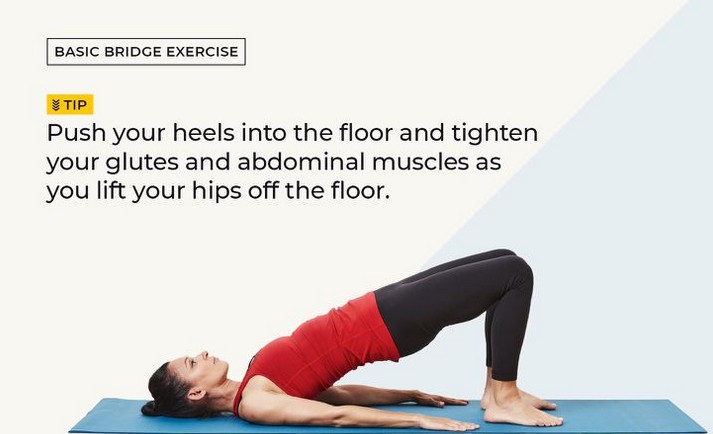
- Glute Bridges: Lie on your back, knees bent, feet flat. Lift hips toward the ceiling, squeezing glutes at the top. Hold 3-5 seconds, lower slowly. Do 10-15 reps. This activates glutes and relieves hip flexor tightness.
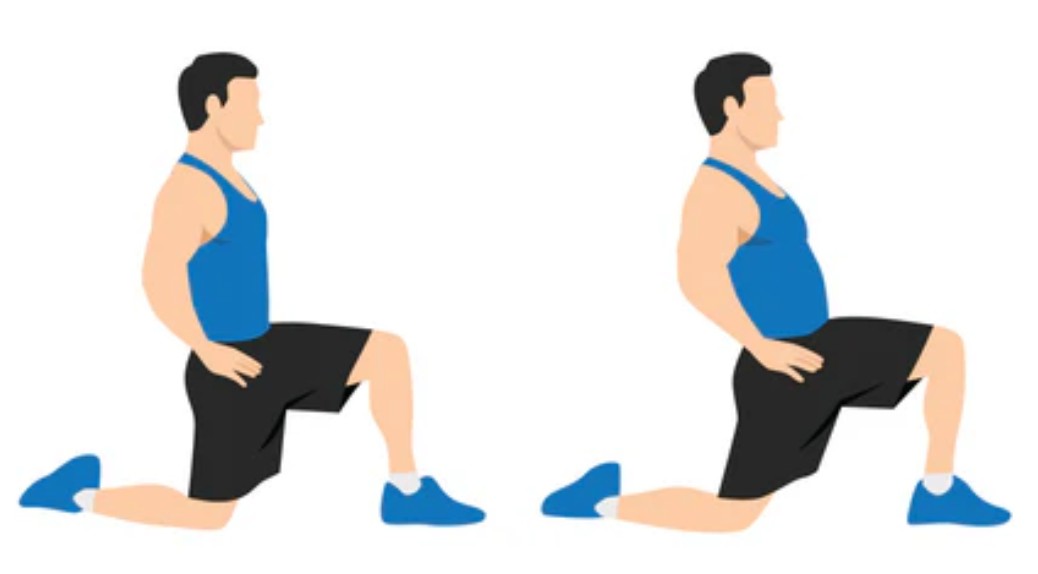
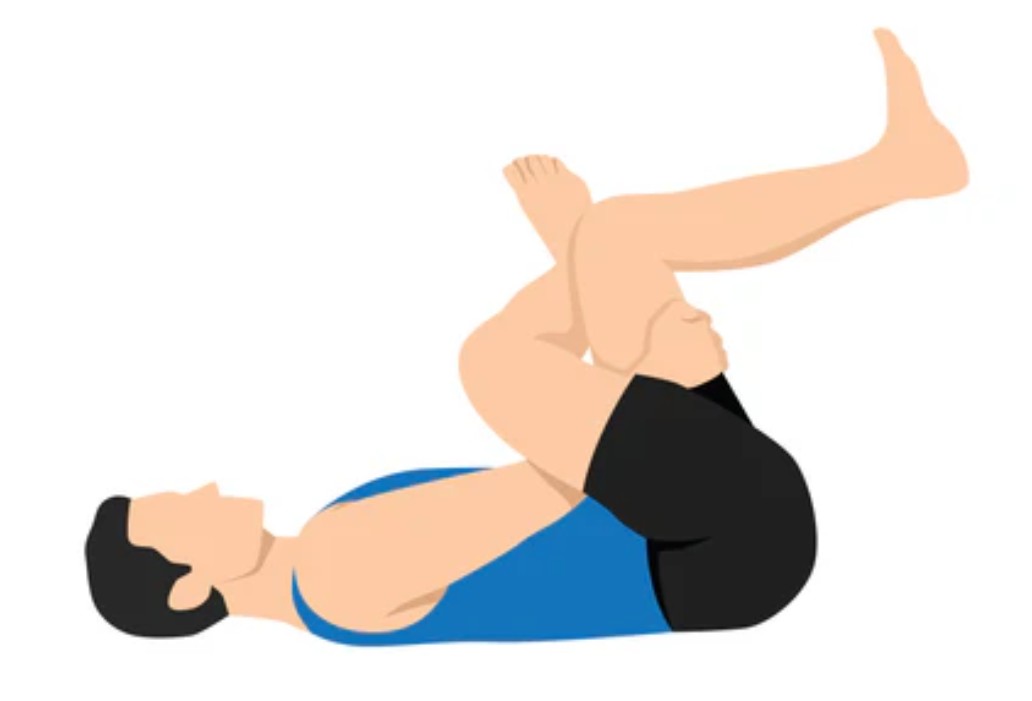
- Hip Flexor Stretch (Figure-Four or Kneeling Lunge): Cross one ankle over the opposite knee (figure-four) or lunge forward gently. Hold 20-30 seconds per side to open tight hips.
- Clamshells: Lie on your side, knees bent. Keep feet together and lift top knee like opening a clamshell. 10-15 reps per side for outer hip strength.
These build stability and can cut hip pain risk significantly with consistency.
Support Your Feet and Ankles with Smart Strengthening
Healthy feet start with strong intrinsics (small foot muscles) and flexible ankles. These exercises improve balance, reduce plantar fasciitis risk, and enhance gait.
Try these at home:
- Ankle Alphabet: Sit with leg extended. "Write" the alphabet in the air using your big toe, moving only your ankle. Do once or twice daily for mobility and pain relief.
- Toe Marble Pickup: Place 10-20 marbles on the floor. Use toes to pick them up and drop into a bowl. Builds arch strength and toe dexterity.
- Calf Stretch: Stand facing a wall, one foot back. Keep heel down and lean forward until you feel a stretch in the calf. Hold 20-30 seconds per side—great for Achilles and plantar fascia relief.
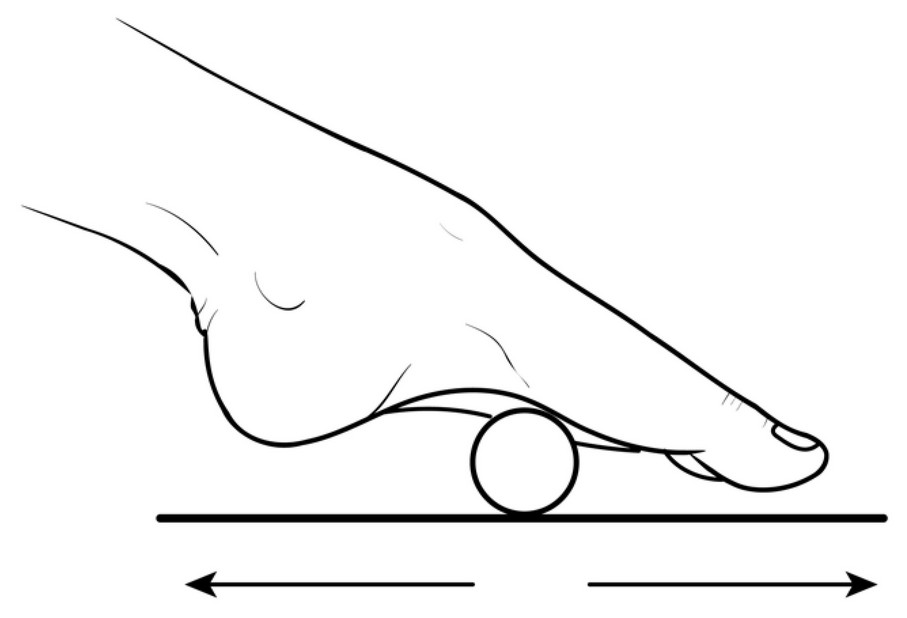
- Toe Extensions: Sit and gently pull toes back toward your shin to stretch the bottom of the foot. Hold and repeat for plantar fasciitis ease.
Perform these 3-5 times weekly; they're low-impact and effective for daily maintenance.
Optimize Daily Habits for Hip and Foot HealthBeyond exercises:
- Footwear Matters: Choose supportive shoes with good arch support and cushioning. Avoid high heels or worn-out soles that alter alignment.
- Ergonomics and Breaks: At work or home, stand periodically, use a footrest if sitting long, and alternate positions to avoid overload.
- Weight Management and Recovery: Extra weight stresses hips and feet—maintain a healthy range. Ice sore areas 10-15 minutes post-activity, and prioritize rest after overuse.
- Sleep and Stress: A supportive mattress and gentle bedtime stretches (like a seated forward bend) help overall recovery.
Incorporate these into routines for compounded benefits.
Wrapping It Up: Move Toward a Pain-Free Future
Hip and foot pain don't have to limit you. By strengthening hips with bridges and stretches, building foot resilience through ankle mobility and toe work, and adopting supportive habits, you can enjoy active days—whether strolling the French Quarter or chasing grandkids. Start today with one or two exercises, track how you feel, and build from there. If pain lingers, worsens, or interferes with life, our team at Riverbend Physical Therapy is here.
We create customized plans with hands-on care, dry needling if needed, and education for long-term success.
Ready to step pain-free? Call (504) 603-6044 or visit us in River Ridge, Metairie, Covington, or New Orleans to schedule.
Your mobility matters. Let's keep you moving.
Say goodbye to pain and restrictions with treatments tailored to your needs, by those you can trust.
Patient Intake Form